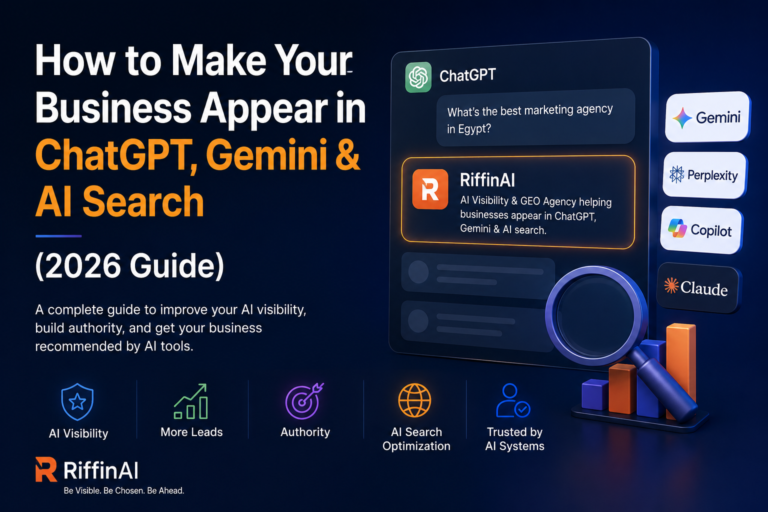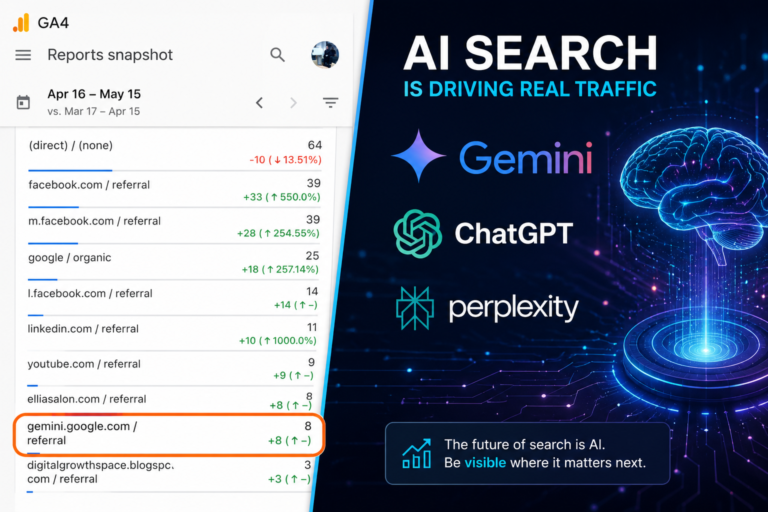

Traditional SEO is no longer enough. In 2026, over 40% of online searches happen through AI tools like ChatGPT, Gemini, Claude, Perplexity, and Grok. These models don’t just rank pages — they synthesize, cite, and recommend based on what they understand best.
Generative Engine Optimization (GEO) is the new game. It focuses on making your content easy for AI to read, trust, and quote.
Here is the most complete, up-to-date GEO Checklist for 2026 — 37 practical items grouped into categories. Implement these and watch your AI Visibility Score climb.
1. Technical Foundations (AI Crawlability) – 10 Points
AI models can only cite what they can access and understand.
- Allow AI Crawlers in robots.txt Add: User-agent: Google-Extended, anthropic, Perplexity, CCBot, etc. Do not block them.
- Create an llms.txt file (at root of your domain) Provide a clean Markdown summary of your most important pages, services, and key facts. This is one of the highest-ROI GEO tactics in 2026.
- Server-Side Rendering (SSR) Ensure critical content loads without JavaScript. Many AI crawlers have limited JS execution.
- Fast Loading Speed + Core Web Vitals Aim for under 2.5s load time. AI tools favor fast, accessible sites.
- Mobile-First & Responsive Design Most AI queries are conversational and mobile-driven.
- Implement Comprehensive Schema Markup Use Organization, Service, FAQPage, HowTo, Article, and Review schema.
- Create a Dedicated Sitemap for AI (or enhance existing one)
- Avoid Heavy Paywalls or Login Walls on key content
- Add Clear Author Bios + E-E-A-T Signals (Experience, Expertise, Authoritativeness, Trustworthiness)
- Use Structured Data for Entities (clear NAP — Name, Address, Phone — for local businesses)
2. Content Structure for AI Extraction – 10 Points
AI loves content it can easily parse and quote.
- Answer the Question in the First 150–200 Words (Direct Answer / TL;DR)
- Use Question-Based Headings (H2s that match real user prompts)
- Write in Conversational, Natural Tone Avoid corporate jargon. AI models prefer clear, human-like language.
- Break Content with Bullet Points & Numbered Lists
- Include Comparison Tables wherever relevant
- Add Original Data, Statistics & Research Cite sources clearly. Original insights perform best.
- Create Comprehensive FAQ Sections (with Schema)
- Use Short Paragraphs (3–5 lines max)
- Add “Sources & Further Reading” section at the bottom
- Include Visuals with Proper Alt Text (charts, infographics, screenshots)
3. Authority & Trust Signals – 8 Points
- Build Strong Entity Signals Consistent brand mentions across the web (your name + location + specialty).
- Earn Third-Party Mentions & Citations (PR, guest posts, directories like GoodFirms)
- Publish Original Case Studies & Data Reports
- Display Real Testimonials with Schema
- Maintain Consistent Publishing Cadence (AI favors active, fresh sources)
- Author Authority — Link authors to LinkedIn, Google Scholar, or detailed bios
- Get Listed on Relevant Industry Directories & Review Sites
- Build Topical Clusters around your core services
4. Advanced GEO Tactics – 9 Points
- Optimize for Multiple AI Models (each has different preferences)
- Create Model-Specific Landing Pages (e.g., /optimize-for-chatgpt)
- Use “Answer Blocks” — self-contained, quotable sections
- Implement Internal Linking Strategy with descriptive anchor text
- Monitor Your AI Visibility Score Regularly (weekly is ideal)
- Run Competitor GEO Analysis — see what your competitors are doing right
- Update Old Content (refresh statistics and add new sections quarterly)
- Focus on Local + Niche Queries (especially powerful for Egyptian & MENA businesses)
- Measure Success Beyond Traffic — track brand mentions in AI responses + actual leads from AI channels
How to Use This Checklist
- Week 1–2: Fix all Technical items (biggest impact)
- Week 3–4: Restructure top 5–10 pages using the Content Structure rules
- Ongoing: Build authority and monitor with tools like RiffinAI GEO
Pro Tip: After implementing this checklist, run a full AI Visibility Audit to measure your progress.
Check Your AI Visibility Score for Free →
Final Thoughts
GEO in 2026 is not about tricks — it’s about clarity, authority, and accessibility for both humans and AI.
Businesses that treat AI as the new search engine will dominate. Those who continue only with traditional SEO will become invisible.
Start with the technical foundations, then move to content and authority. Consistency wins.
Ready to see where your website stands today?
Get Your Free AI Visibility Score & GEO Report →
FAQ
What is the difference between SEO and GEO? SEO gets you clicks from Google. GEO gets you cited and recommended directly inside AI answers.
How long does it take to see results from GEO? Technical fixes show within days/weeks. Authority building takes 2–6 months.
Do I need to optimize for every AI model separately? Core optimizations help across all models, but some tactics are model-specific.